
Why Greece is the Perfect Wedding Destination: Expert Tips
Greece offers a choice of island and mainland settings for a destination wedding, from coastal terraces and village courtyards to hotels, gardens and historic surroundings. The right choice brings together the atmosphere you want, the guests joining you and a practical plan for the celebration.
This guide explores ten reasons to consider Greece, with planning tips to help you compare locations, venues, suppliers and guest arrangements.
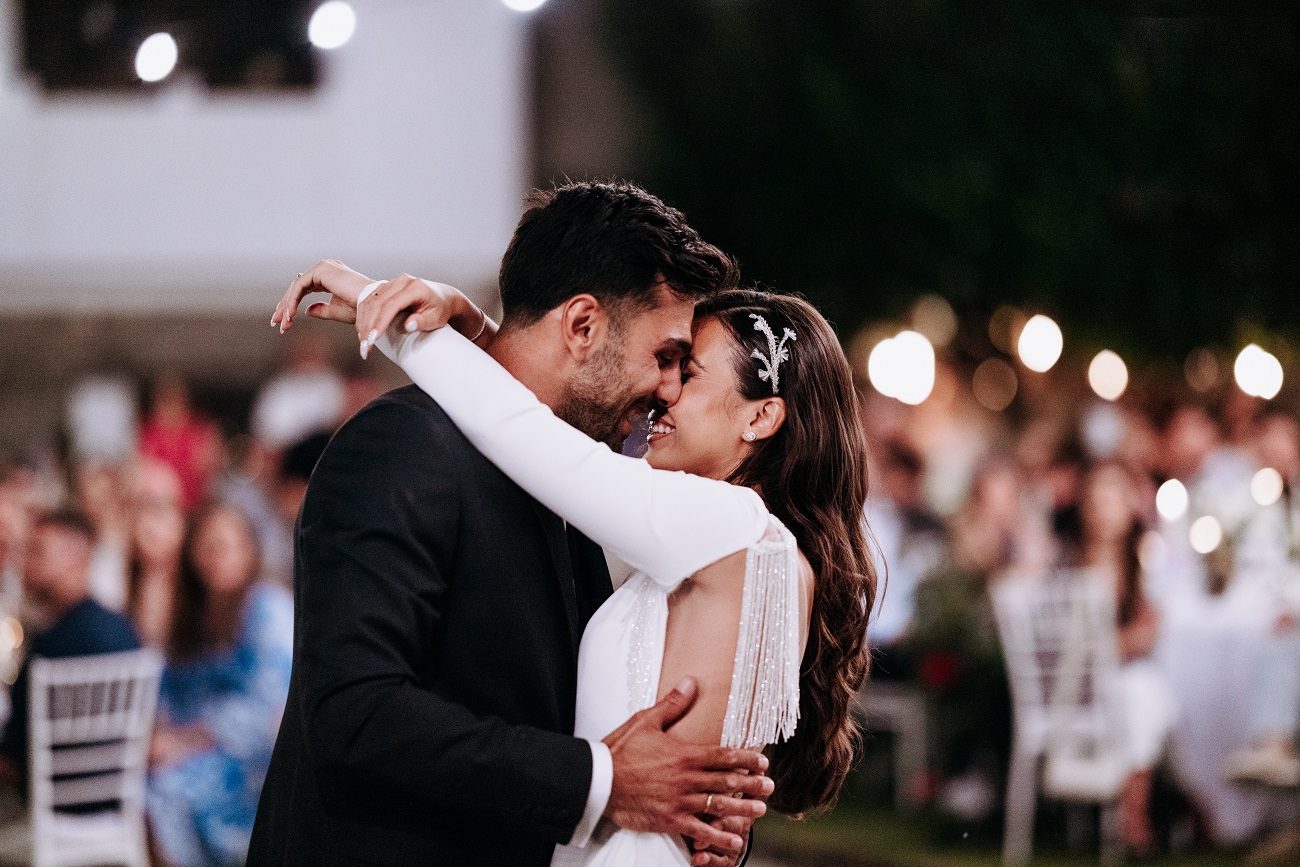
1. A Variety of Landscapes
A wedding in Santorini can centre on volcanic scenery and caldera views, while a wedding in Corfu offers a different island character. Mainland destinations add mountain villages, gardens and coastal settings to the choice.
Planning tip: Compare the outlook from the actual ceremony and reception spaces, together with privacy, access and guest capacity.
2. Dates That Suit Your Plans
Choose the season around your destination, venue and preferred style of celebration. Outdoor plans need preparation for wind, heat or rain, and seasonal opening dates can affect accommodation and services.
Planning tip: Ask about shade, shelter and an indoor alternative. Compare availability and written proposals for your shortlisted dates rather than assuming that a particular month guarantees sunshine or lower prices.
3. Different Venue Styles
You can explore coastal properties in Mykonos or Halkidiki, compare spaces in Kefalonia, or consider the village and coastal settings of Pelion. Mani offers another mainland destination to explore.
Planning tip: Request a layout, an itemised proposal and confirmation of event use. A beautiful property or historic setting is not automatically available for a private wedding.
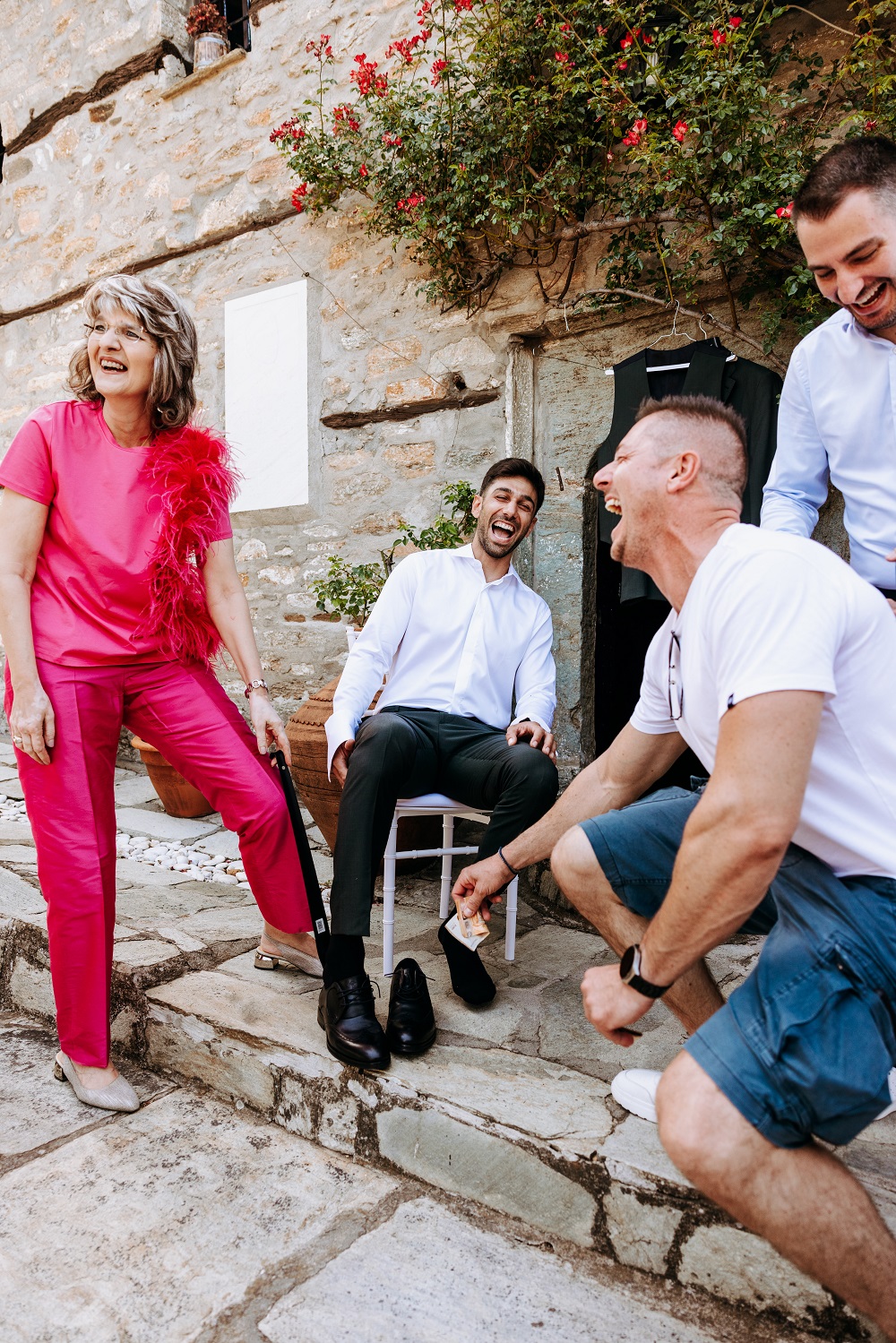
4. A Ceremony That Matches Your Plans
Decide whether you want a civil, religious or symbolic ceremony before booking the location. For a legal marriage, confirm the current requirements with the relevant Greek authorities for your nationality, residence and personal circumstances.
Documents, translations and authentication requirements can differ. Ask which documents are needed, who must issue them and when they should be prepared. For a religious ceremony, confirm arrangements with the appropriate parish or religious authority.
Our Greek-language guide to civil-wedding documents offers further background. Confirm the requirements for your own circumstances before relying on a general checklist.
Planning tip: A wedding planner in Greece can help coordinate the process, alongside the authorities responsible for the ceremony.
5. Food and Wine as Part of the Experience
Discuss local recipes, seasonal produce and your preferred style of service with the caterer. Shared meze, vegetable dishes, fish or meat courses and regional sweets can all become part of a menu that suits your guests.
Planning tip: Arrange a tasting if possible. Confirm dietary requirements, drinks, staffing and service arrangements alongside the food itself.
6. Options to Compare Against Your Budget
Explore a wedding in Naxos, a wedding in Paros or a mainland celebration in Nafplio alongside your other ideas. The overall cost depends on your guest count, date, venue and services.
Planning tip: Compare proposals with the same inclusions. Include taxes, venue hire, catering, drinks, supplier travel, equipment, accommodation and guest transfers where relevant. Ask whether alternative dates change the complete cost.
7. Local Culture and Family Traditions
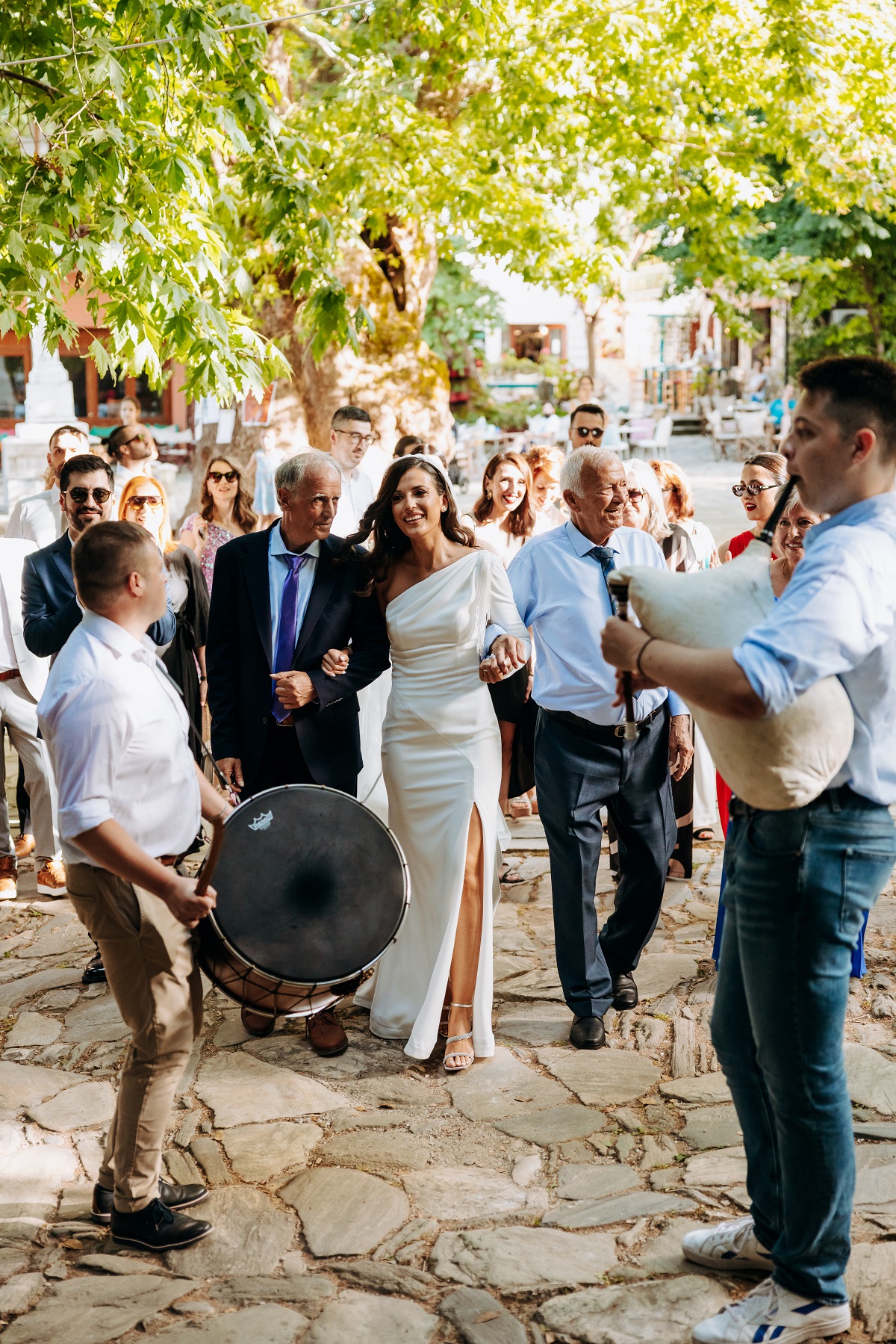
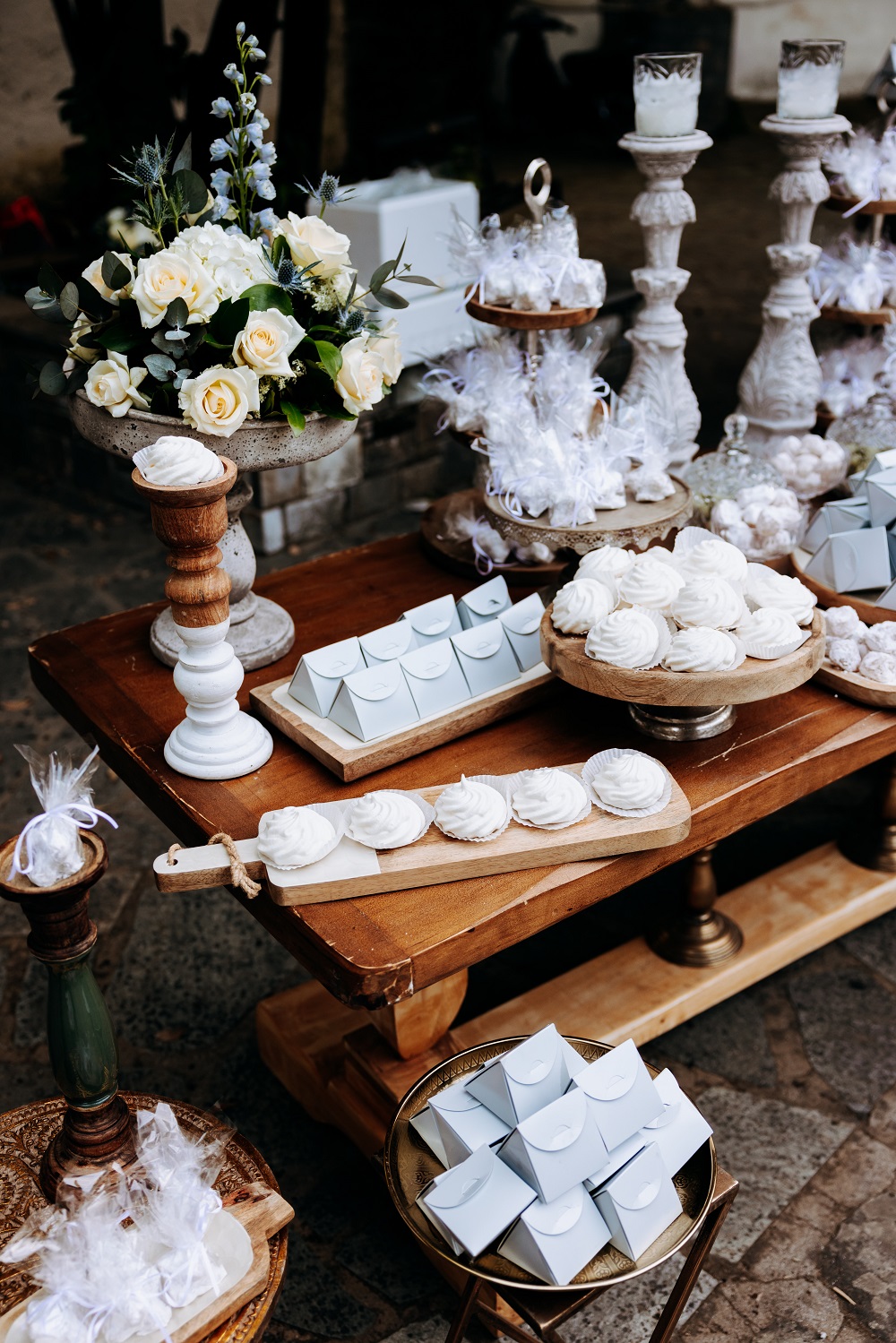
Music, food, wedding favours and family customs can give the celebration a personal connection to Greece. Traditions differ between regions, families and ceremony formats, so choose the details that mean something to you.
For regional inspiration, explore a traditional wedding feast in Kefalonia. Discuss local music, dancing or a dessert table with your suppliers.
Planning tip: Agree on how each element will work within the venue’s schedule and arrangements. There is no need to include every custom to create a meaningful celebration.
8. Time for a Honeymoon
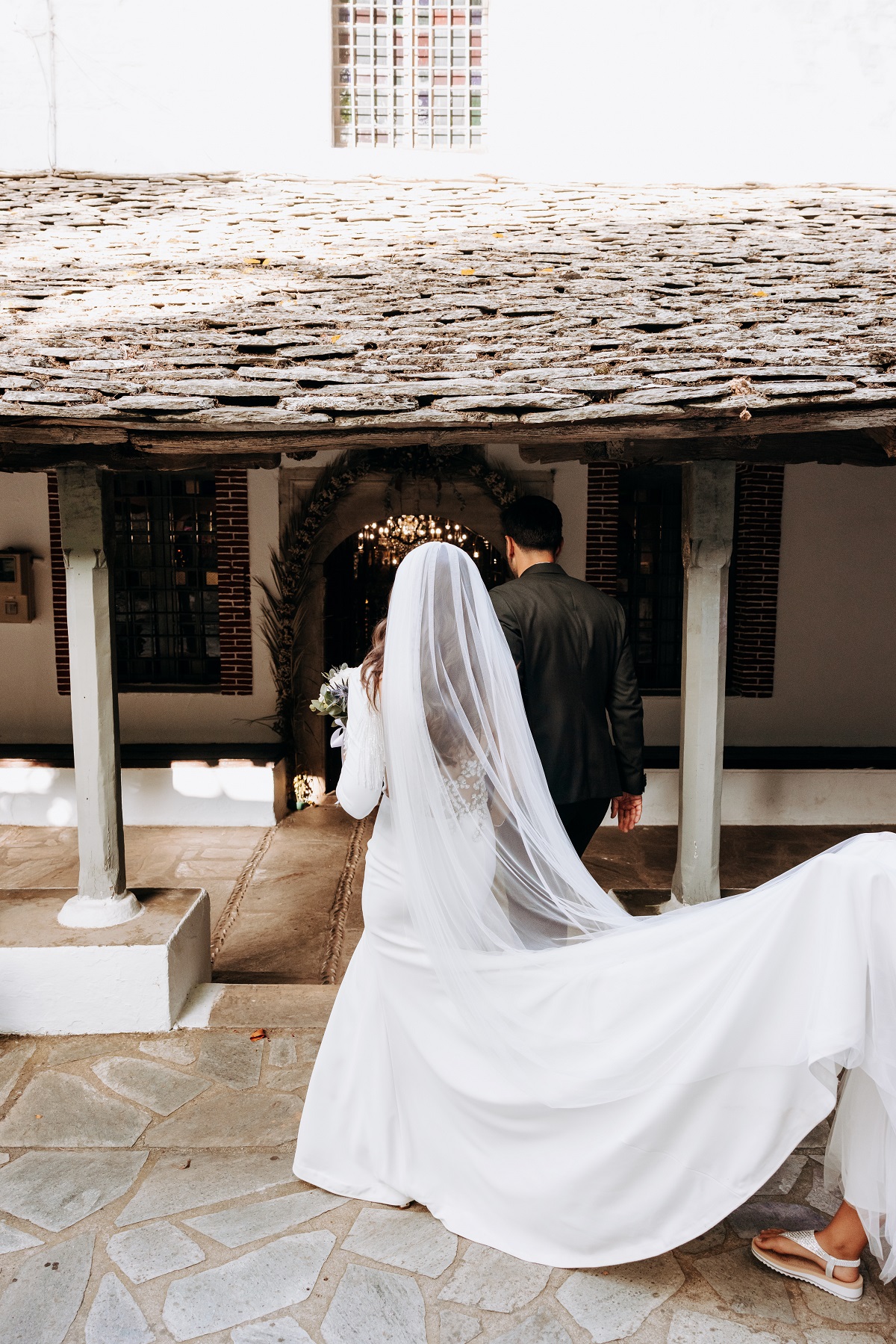
You can extend the stay in your wedding destination or travel elsewhere in Greece afterwards. A wedding in Crete, for example, can become the starting point for a longer stay with time for villages, food and the coast.
Planning tip: Compare seasonal transport options, accommodation availability and the pace you want. Leave time to rest after the wedding before planning additional journeys or activities.
9. A Shared Experience for Your Guests
A welcome dinner, the wedding day and an optional gathering afterwards can create time together beyond the reception. Thoughtful communication helps guests enjoy the stay, especially when they are travelling from different countries.
Planning tip: Share arrival information, accommodation options, pickup points and the main schedule early. Keep optional activities manageable and allow guests time to explore independently.
10. A Team You Can Communicate With
Choose professionals whose portfolios, experience and working approach suit your celebration. Discuss how you will communicate from abroad and who will be present on the day.
Planning tip: Arrange calls with shortlisted suppliers and review complete examples of their work. Confirm service coverage, included hours, responsibilities, payment dates and delivery arrangements in writing.
Your Greek Wedding Planning Checklist
- Location: compare the venue, accommodation and guest journey together.
- Ceremony: confirm the format, availability and applicable requirements.
- Budget: request itemised proposals with comparable inclusions.
- Weather: agree on an indoor alternative and who makes the decision to use it.
- Suppliers: clarify responsibilities, communication and booking terms.
- Guests: share travel information and organise transfers where needed.
- Personal details: choose food, music and design that reflect you.
Start Planning Your Wedding in Greece
Begin with your preferred dates, approximate guest count and the atmosphere you imagine. Explore destinations, professionals and inspiration with Wedding in Greece, then share one clear brief with your shortlisted suppliers.
Image credits: mike_chatzigiannis; Nikos Pandazaras.